

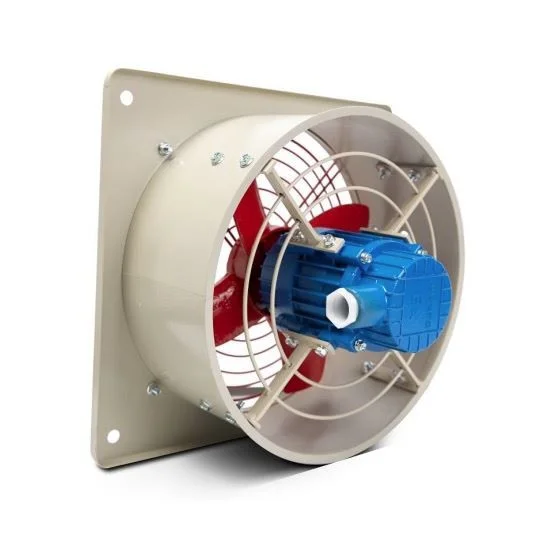
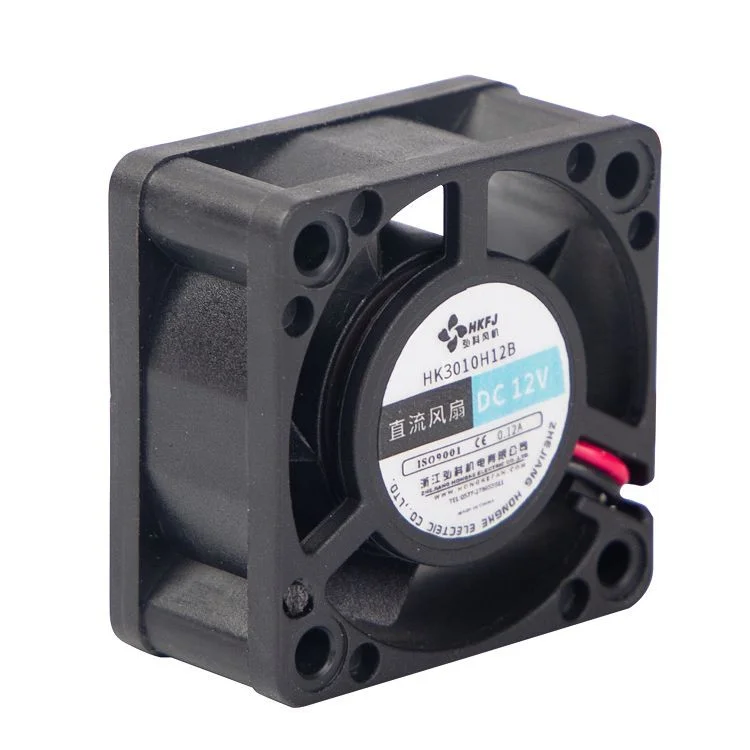
Overview
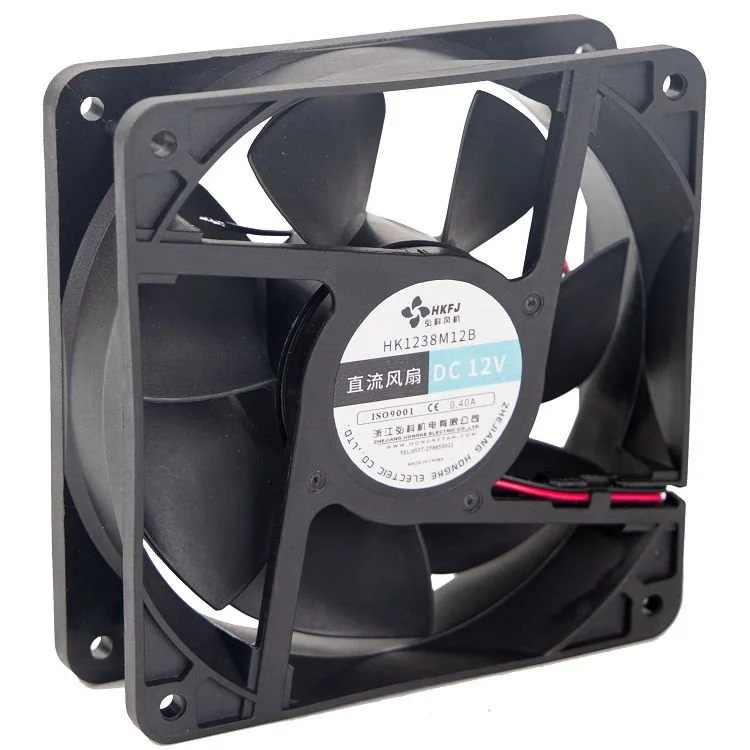
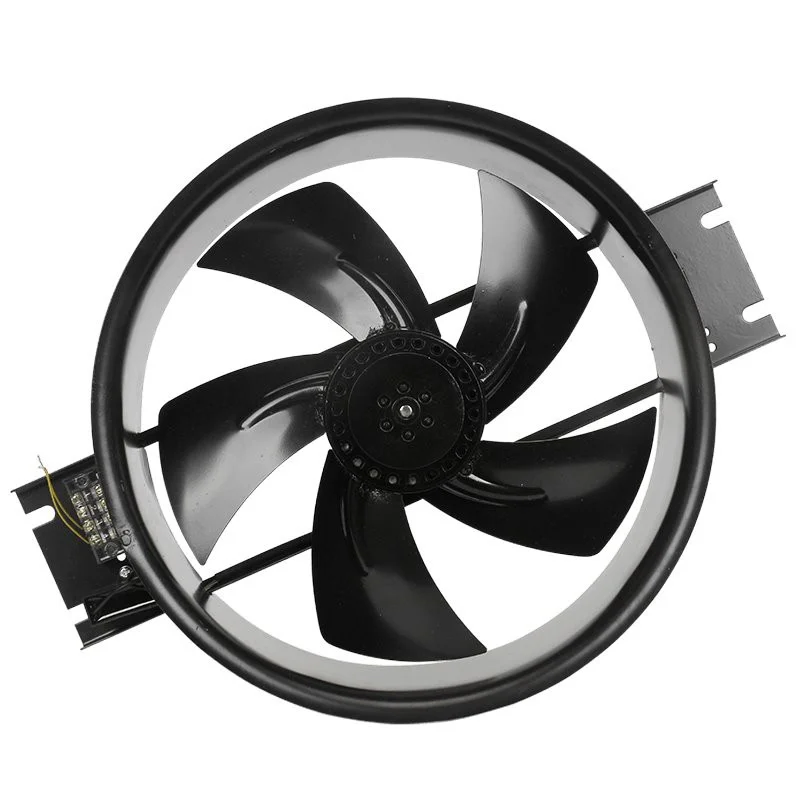
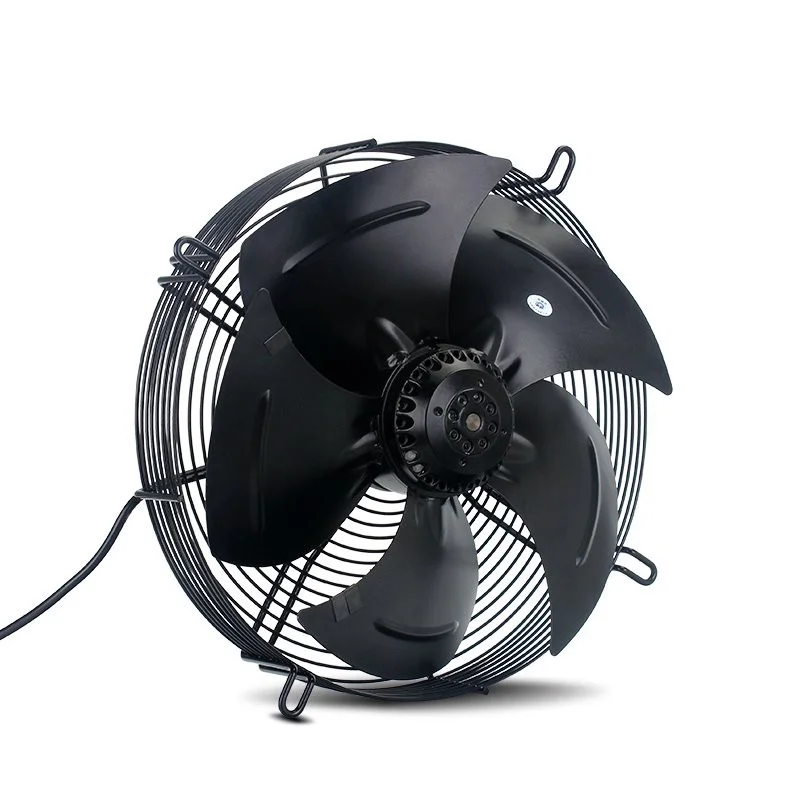
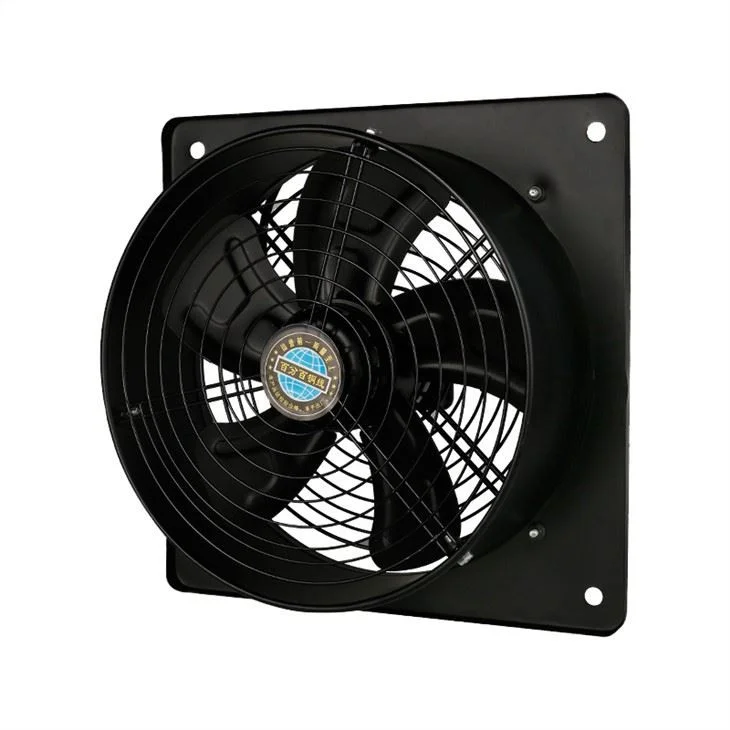
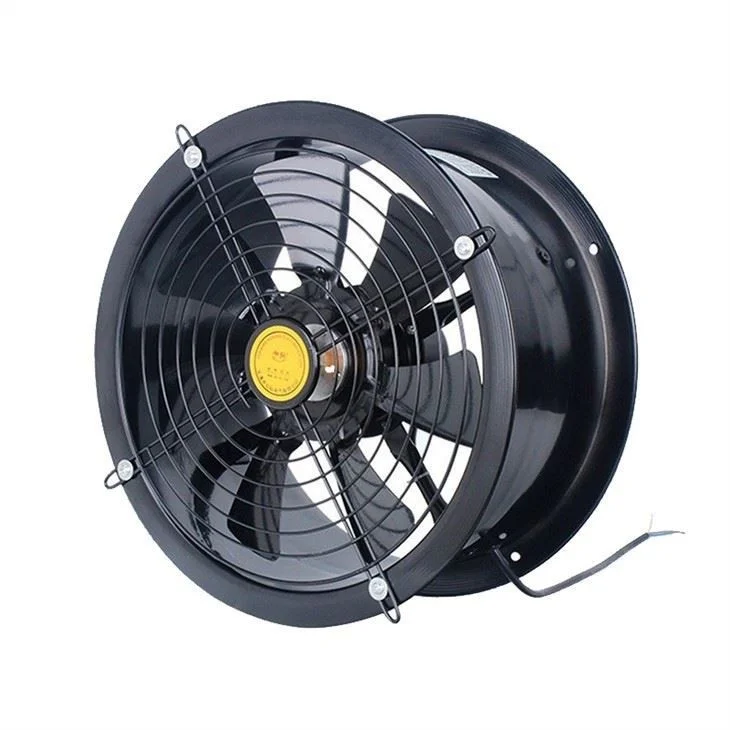
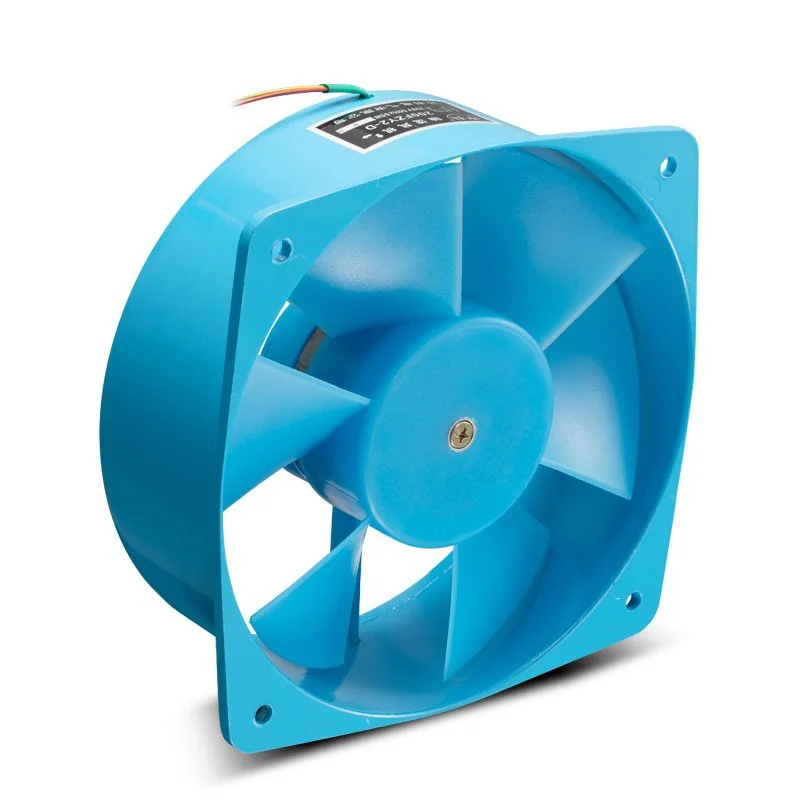
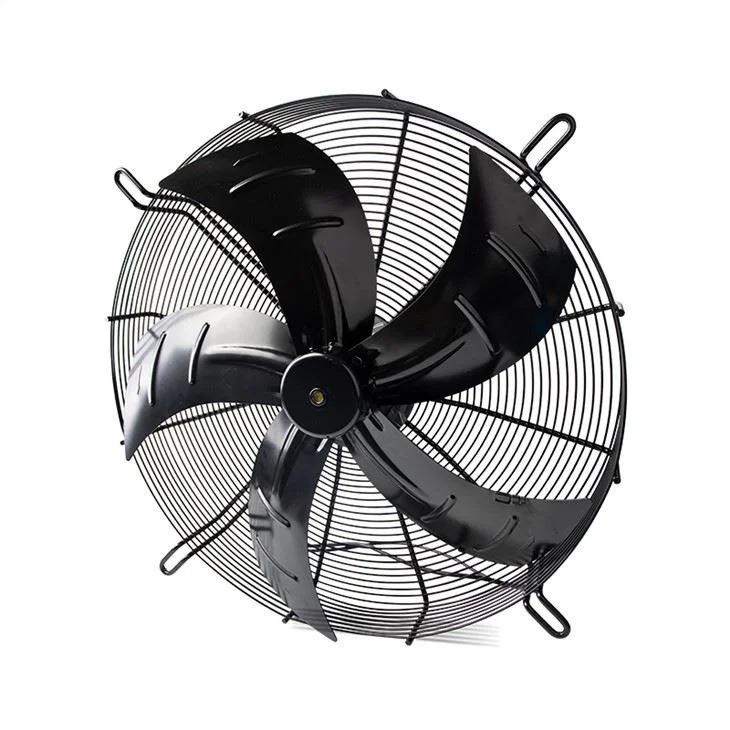
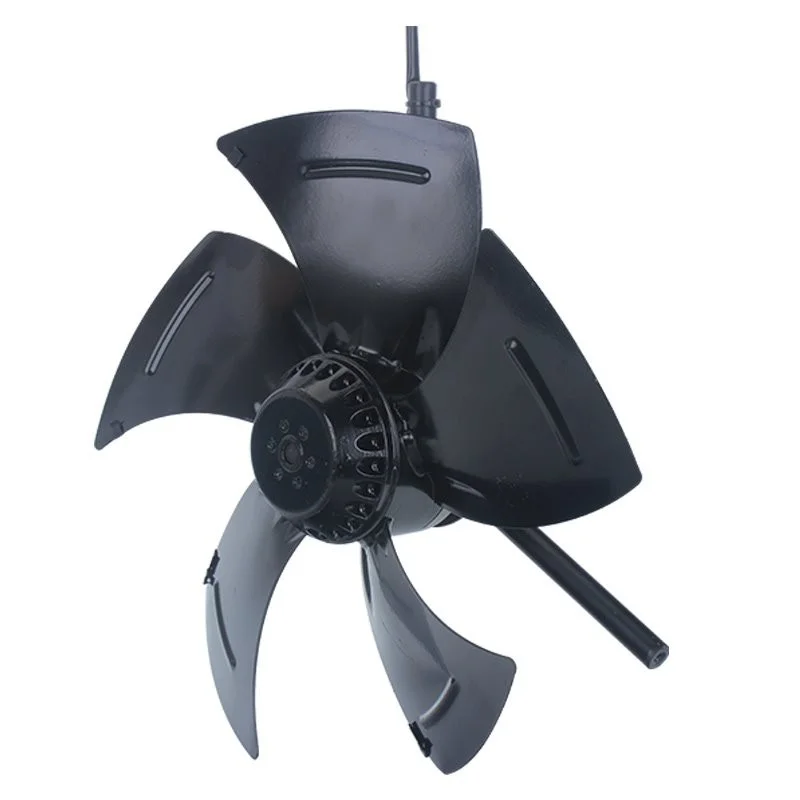
Axial fans move air along the shaft. The impeller draws air in and pushes it straight through the frame, which makes them efficient wherever air has a clear path: a cabinet wall, a louvred opening, a short duct. They are a poor choice when the system needs pressure to push air through a filter, a grille or a long duct run.
WILMALL supplies AC, DC and EC axial fans for panel cooling, wall exhaust and equipment ventilation, from compact cabinet units to 750 mm wall-mounted fans, with the guards, filters and speed controls that go with them.
Selection usually comes down to four numbers: required airflow, available static pressure, supply voltage and acceptable noise. Send those four, or send the enclosure dimensions and ambient temperature, and we will shortlist the models that fit.
Products in This Range
-
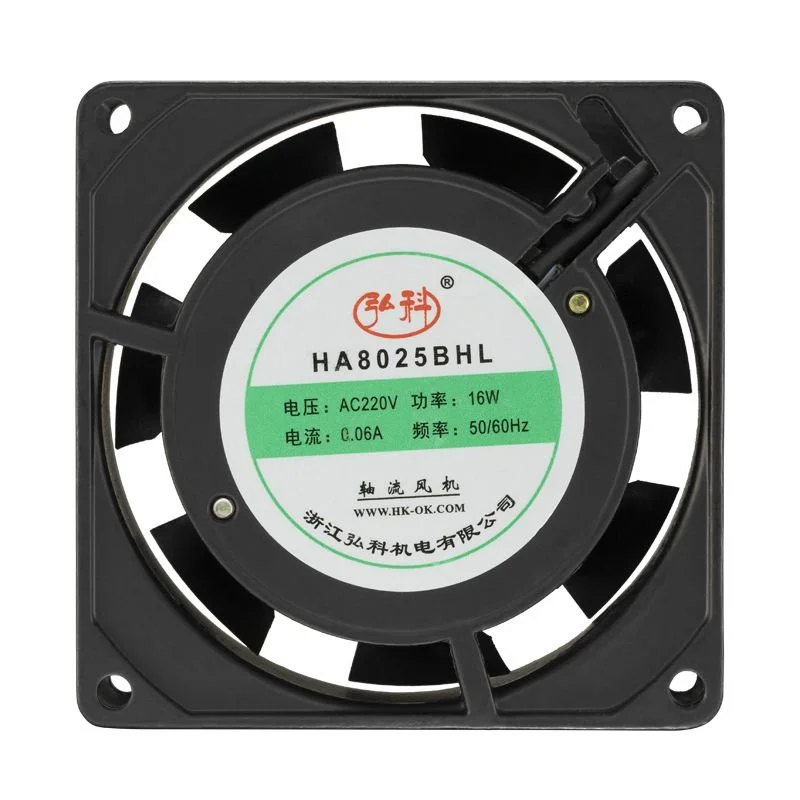
AC Dual Ball Bearing Fan for Cabinet Cooling
HA802501HB- Voltage: 115 / 230 V AC
- Frequency: 50 / 60 Hz
-
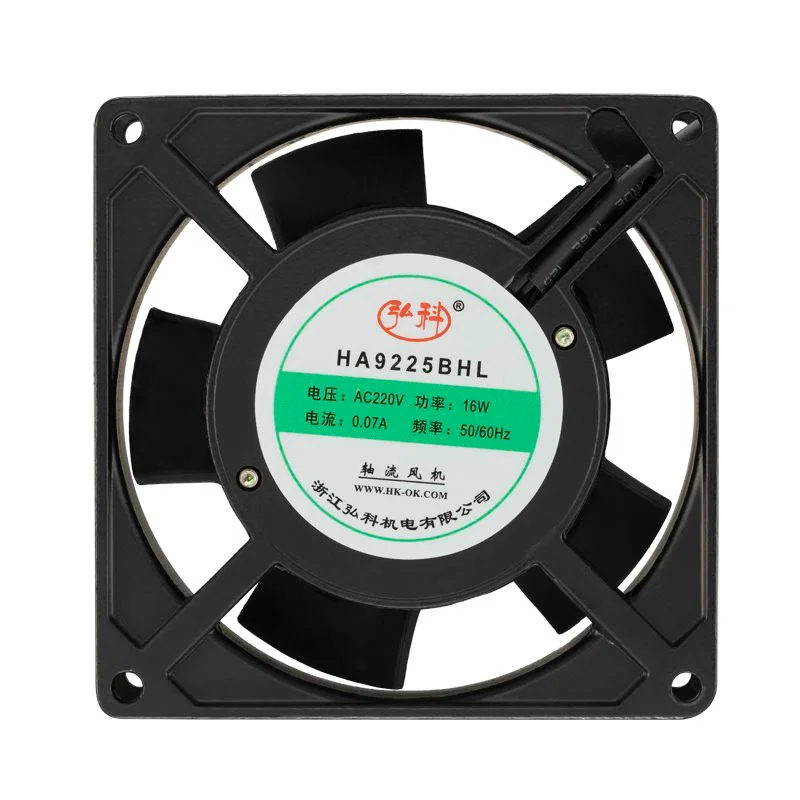
AC Small Axial Flow Fan for Cabinet Cooling
HA922501HS(B)- Voltage: 115 / 230 V AC
- Frequency: 50 / 60 Hz
-

AC Axial Fan 110 × 110 × 25 mm for Cabinet Cooling
HA1102501HS(B)- Frame Size: 110 × 110 × 25 mm
- Voltage: 115 / 230 V AC
-
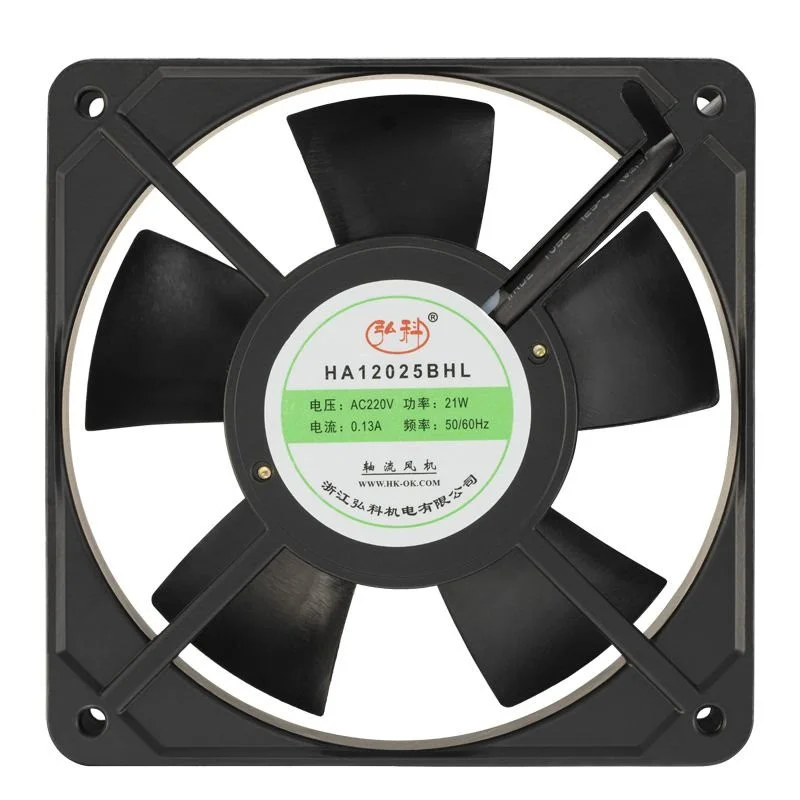
AC High-Speed Cooling Fan for Enclosures
HA1202501HS(B)- Frame Size: 120 × 120 × 25 mm
- Voltage: 115 / 230 V AC
-
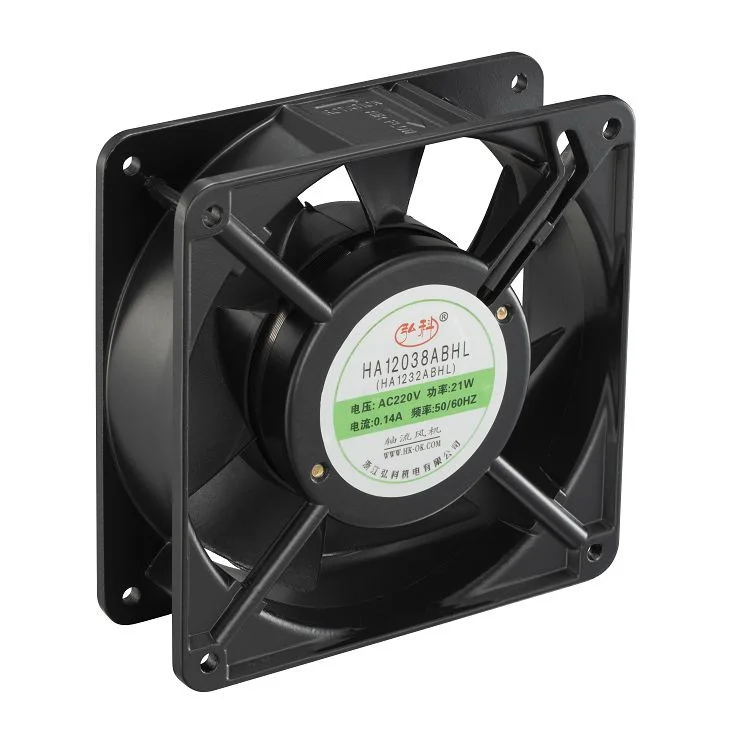
AC Axial Air Flow Fan for Panel and Equipment Cooling
HA1203801HS(B)- Voltage: 115 / 230 / 380 V AC
- Frequency: 50 / 60 Hz
-

AC Small Cooling Fan 150 × 150 × 50 mm
- Frame Size: 150 × 150 × 50 mm
- Housing: PBT thermoplastic, black, UL94V-0
-
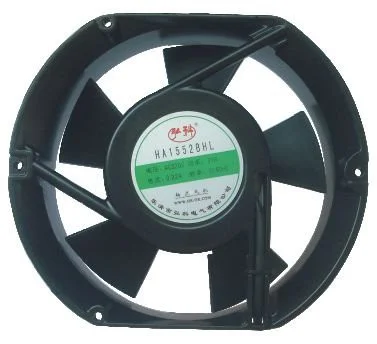
AC Exhaust Fan for Wall and Cabinet Ventilation
HA1705001HS(B)- Voltage: 115 / 230 / 380 V AC
- Frequency: 50 / 60 Hz
-
AC Industrial Axial Fan for Plant and Machine Ventilation
HA1606001HB- Voltage: 115 / 230 / 380 V AC
- Frequency: 50 / 60 Hz
Why Buy From WILMALL
Three motor types on one order
AC, DC and EC versions come from the same supply chain, so a panel builder can standardise on one supplier without forcing every enclosure onto the same motor type.
Accessories matched to the fan
Guards, filters, shutters and speed controllers are selected against the same frame and fixing pattern, not bought separately and made to fit on site.
The specification is written down
Frame, voltage, bearing, airflow and noise are agreed before the order, and the approved data sheet is what the shipment is checked against.
Where It Fits
Control cabinets and panels
Straight-through airflow for enclosures with a filtered intake and an exhaust path, usually with a guard or filter on the outside.
Wall and workshop exhaust
Wall-mounted units that replace stale air in workshops, warehouses and plant rooms, often with a shutter or guard.
Equipment and machine cooling
Compact fans built into machine enclosures, power supplies and drives, where the airflow path is short and direct.
Short-duct ventilation
Axial fans used with a short duct run where pressure demand stays low; longer or filtered runs move to centrifugal.
How to Specify
Airflow first, then pressure
Start with the airflow the installation needs, in m³/h or CFM, then check the static pressure the system adds. A free-blowing figure on a data sheet assumes almost no resistance; a filter, a grille or a bend reduces the delivered airflow. If the resistance is significant, an axial fan will deliver less than the catalogue number suggests.
Frame size and cut-out
The frame has to fit the opening you already have. Note the outside dimensions, the fixing-hole spacing and the depth behind the panel — a unit with the right airflow but 10 mm too deep will not close. For replacements, send the old fan's label or a photo with a ruler in frame.
Voltage, frequency and control
AC fans run directly from the supply; DC fans need a DC source and are usually speed-controlled by voltage or PWM; EC fans take AC in and control the motor electronically. If the installation needs variable speed, decide that before choosing the fan — not every AC motor tolerates a triac controller.
Bearing, noise and service life
Ball bearings tolerate higher temperatures and any mounting angle; sleeve bearings are quieter at low speed but dislike heat and vertical mounting. Noise figures are measured at one metre in a free field, so a fan inside a cabinet will sound different from the data sheet.
Environment
Dust, moisture, grease and ambient temperature decide the IP rating, the housing material and whether a standard fan is acceptable at all. In a hazardous area, the fan must come from the explosion-proof range with matching documentation.
Questions
What is the difference between AC, DC and EC axial fans?
AC fans run directly from mains voltage and are the simplest to install. DC fans run from a DC supply and are easy to speed-control, which suits electronics and battery systems. EC fans accept AC input but drive the motor electronically, so they are more efficient and controllable — usually at a higher unit price.
Should I use an axial or a centrifugal fan?
Axial if the air has a clear, straight path and the system adds little resistance. Centrifugal if the air has to turn, pass a filter, or travel through ductwork — the blower trades some airflow for pressure.
Can you supply 110 V, 220 V or 380 V versions?
Yes, depending on the model and the motor platform. Tell us the voltage, frequency and phase, and we will confirm which frame sizes are available in that configuration.
Ball bearing or sleeve bearing?
Ball bearings for high temperature, vertical mounting or long duty cycles. Sleeve bearings where low-speed noise matters and the fan sits horizontally in a clean, temperate enclosure.
Can the fan run in a high ambient temperature?
It depends on the motor insulation class and the bearing. Standard fans are usually rated for a normal ambient range; above that, the motor and bearing have to be specified for it. Give us the ambient temperature and duty cycle before we quote.
What is the minimum order and lead time?
Both depend on the model and quantity, and are confirmed with the quotation. For a first order, a sample can be supplied for approval before the production quantity is placed.
Send the airflow, the voltage and the space you have.
If you are replacing a fan, a photo of the old label is faster than a specification. We will confirm the closest match and flag any difference that matters.