Overview
A duct fan sits in the run instead of at the end of it. That saves space and avoids a visible unit on the wall, but it also means the fan has to cope with whatever the duct system does: bends, transitions, grilles, grease and, in kitchens, cleaning.
Two types cover most work. Inline axial duct fans are compact and quiet for their size, and suit short, straight runs at low pressure. Inline centrifugal duct fans cost more but hold pressure through longer runs, more bends and denser filters — the usual choice when the duct is an afterthought in the layout.
WILMALL supplies round and rectangular duct fans for kitchen extract, bathrooms, workshops and make-up air, with the guards, speed controls and mounting parts that go with them. Send the duct diameter, the run length and the number of bends; that is enough to tell which type the system can take.
Products in This Range
-
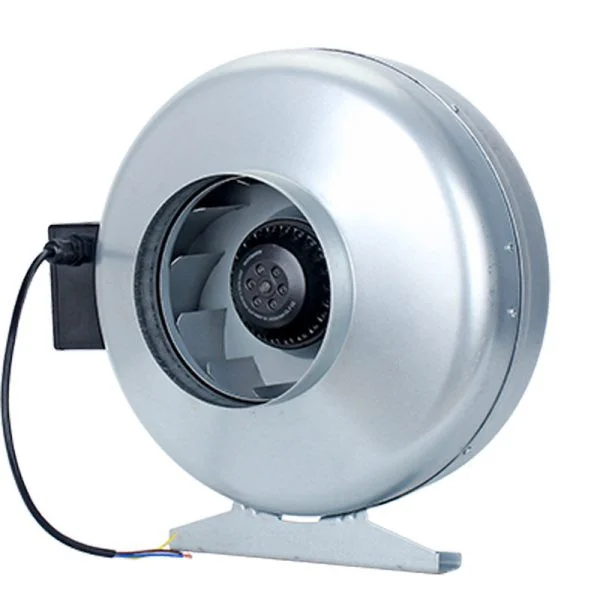
Turbo Circular Centrifugal Duct Fan
GDF100- Voltage: 23050 V
- Frequency: 230/50 Hz
-
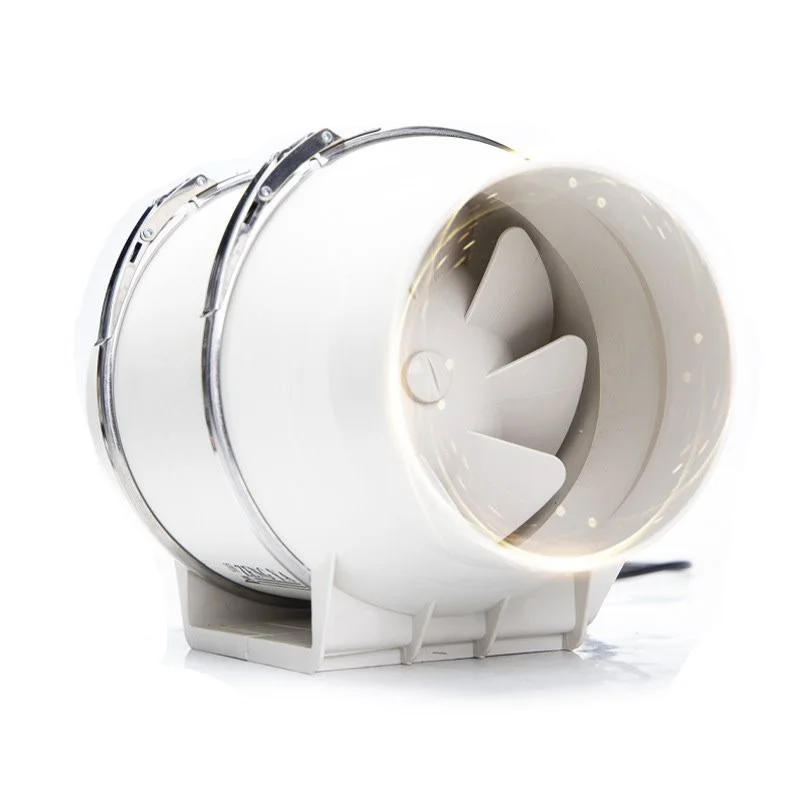
Kitchen Smoke Pipe Exhaust Fan
HF- Frequency: 50 Hz
- Power: 40–280 W
Subcategories
Why Buy From WILMALL
Diameter and depth confirmed before order
A duct fan that is 20 mm too long will not fit between the joints. We confirm the body length, spigot size and access space against your duct before quoting.
Cleaning access is part of the choice
In grease applications the fan has to be reachable and cleanable. We point out which models open up for cleaning and which do not, instead of leaving it to the installer.
Accessories that fit the same duct
Mounting brackets, guards, backdraught shutters and speed controllers are matched to the same body, so the run goes together without adapters.
Where It Fits
Commercial kitchen extract
Grease-laden air through round or rectangular duct, where the fan must be accessible for cleaning and suited to the temperature.
Bathrooms and small retail
Short runs where a compact inline unit fits above a ceiling and noise matters more than pressure.
Workshop fume and dust extract
Local extraction from machines through a duct run with bends and a collector, where pressure demand is higher.
Make-up and supply air
Bringing air into a space to balance extract, often at low pressure and with a filter or louvre on the intake.
How to Specify
Match the diameter before anything else
The spigot has to fit the duct you already have. Note the nominal diameter, the actual outside dimension and the body length, then check the space between joints. Adapters add resistance and leak.
Add up the pressure losses
Every bend, transition, grille and length of duct costs pressure. A short straight run may suit an inline axial fan; three bends and a roof cowl usually push the choice to a centrifugal unit. If you cannot calculate the losses, send the layout and we will estimate which type holds.
Grease changes the rules
Kitchen extract carries grease that coats the impeller and unbalances it. The fan needs to be accessible, cleanable and suited to the temperature. Cleaning intervals matter more than the airflow figure on the box.
Noise travels through the duct
A duct fan is quiet at the unit and loud at the grille. Flexible connectors, a short straight section after the fan, and mounting that does not touch the building structure do more than a "silent" model label.
Condensation and IP rating
Bathroom and outdoor runs carry moist air. Choose a unit and a mounting position where condensate does not sit in the motor, and check the IP rating against the location.
Questions
Round or rectangular duct fan?
Follow the duct you have or plan. Round is easier to seal and cheaper to run; rectangular fits tight ceiling voids. The fan body has to match the spigot, so this is decided before the model.
Can a duct fan be mounted horizontally or vertically?
It depends on the model and the motor position. Some are limited to one orientation because of bearings or condensate. Tell us the mounting direction before ordering.
Can the fan handle kitchen grease?
Only if it is chosen and installed for it, with access for cleaning. Grease coats the impeller, reduces airflow and unbalances the fan. Cleaning intervals matter as much as the specification.
My duct run is long. Will an inline axial fan work?
Usually not. Long runs and bends add pressure that an axial duct fan cannot hold. An inline centrifugal unit is the safer choice — send the layout and we will confirm.
How do I reduce noise at the grille?
Reduce the fan speed if the duty allows, add a flexible connector, and keep a straight section after the fan. Check that the duct is rigid and that nothing is loose inside the run.
Can the fan be speed-controlled?
With a suitable controller for the motor type. Confirm before ordering, because not every AC motor tolerates voltage control, and EC units need a different signal.
Send the duct size and the run.
Diameter, length, number of bends and what the air carries are enough to pick the type. If the duct is not built yet, send the layout and we will tell you where it constrains the fan.