Sized as a system
Intake, exhaust, filter and thermostat are matched to one heat load, so the delivered airflow still meets the requirement after the filter is fitted.
There are currently no products in this archive. Please try another category or search.
Cooling an Enclosure Is a System, Not a Fan
A cabinet fan on its own does not cool anything. Air has to enter through a filtered opening, pass the heat-producing components and leave through an exhaust that is at least as large as the intake. Get one of the three wrong and the fan runs while the internal temperature keeps climbing.
The starting point is the heat load inside the enclosure, in watts, and the temperature difference you are willing to accept between the room and the inside of the cabinet. Those two numbers give the airflow. The environment then decides the filter class, the IP rating and whether a filter fan is acceptable at all — in dusty or oily plants, a closed-loop cooling unit may be the better answer.
WILMALL supplies the parts as one specification: axial fans for intake and exhaust, filter guards and dust shutters, thermostats and heaters for the cold months. Tell us the enclosure size, the heat load and the ambient temperature, and we will size the set instead of selling you a fan.
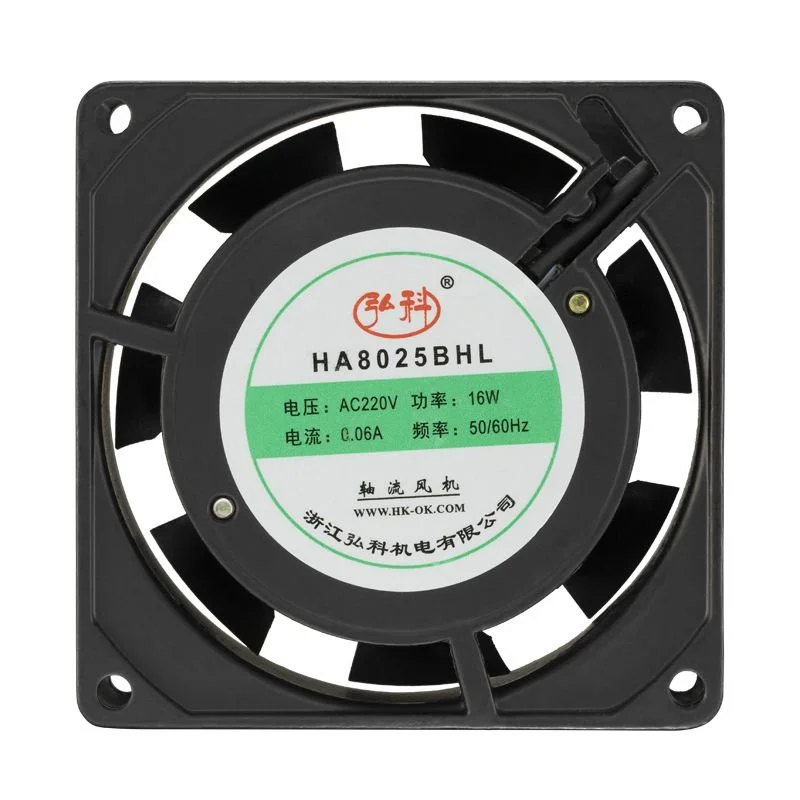
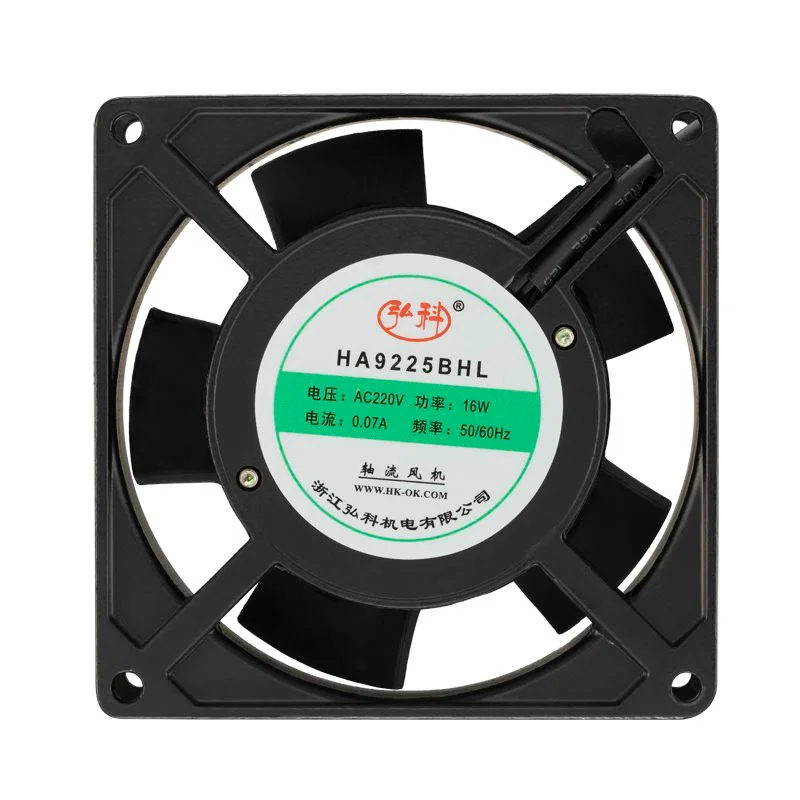

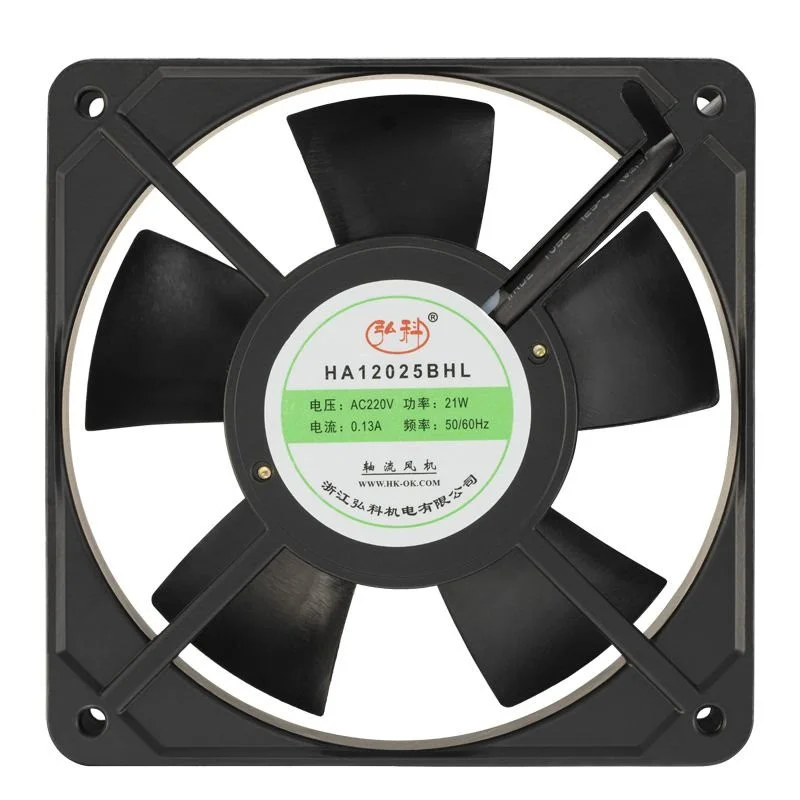
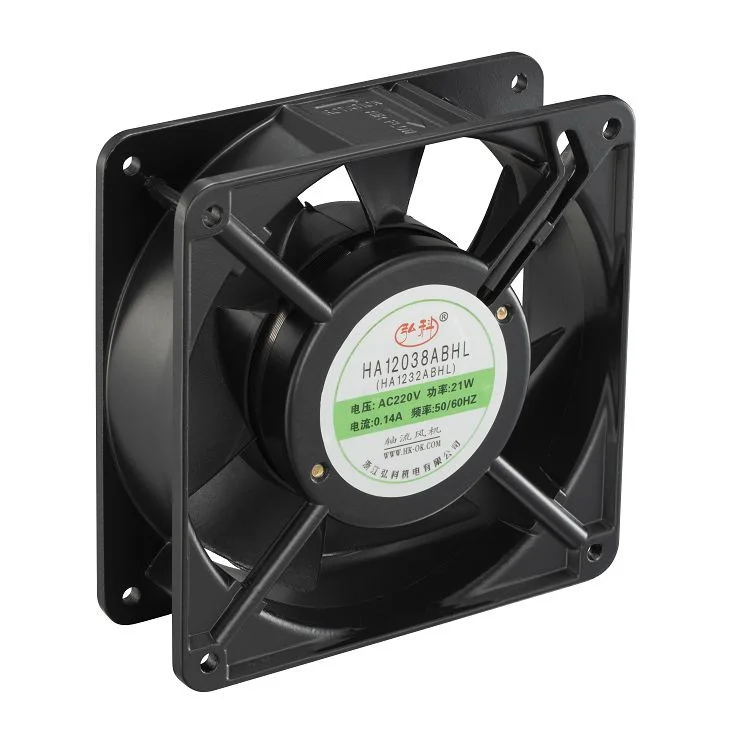

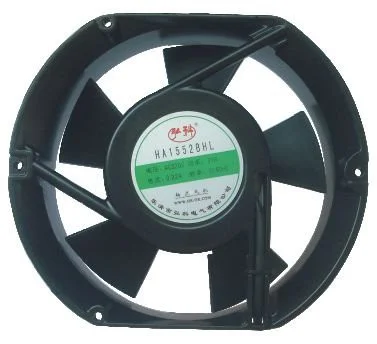
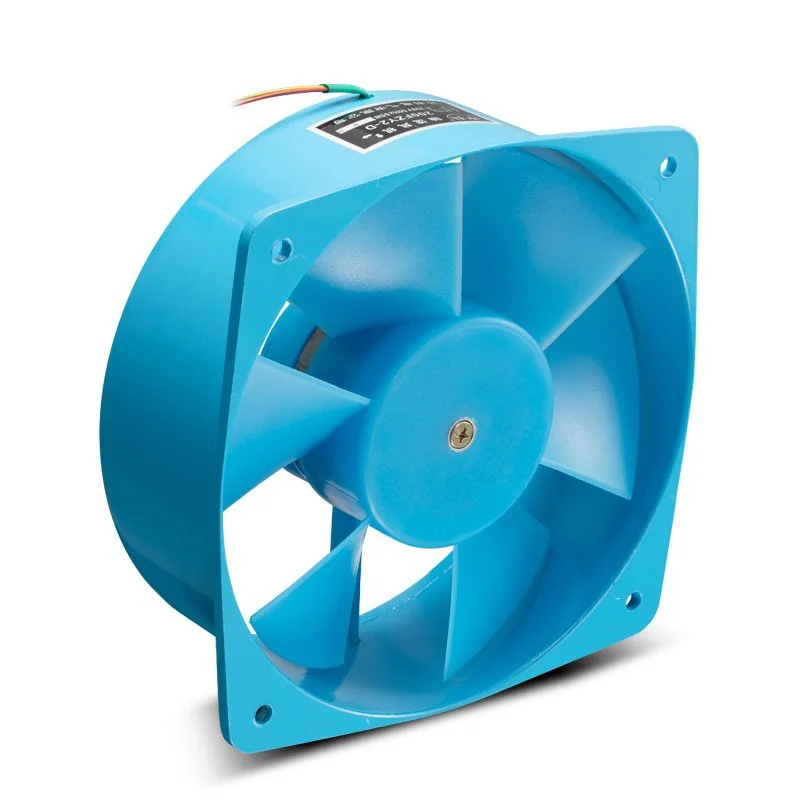
Intake, exhaust, filter and thermostat are matched to one heat load, so the delivered airflow still meets the requirement after the filter is fitted.
Catalogue airflow assumes a free opening. We tell you what the fan delivers through the filter you chose, instead of quoting the free-air figure and letting the cabinet run hot.
Fan, guard, filter and thermostat arrive together with a single approved specification, which matters when the same panel is built in batches.
Sealed enclosures with breakers and meters, where internal heat is modest but continuous and dust must stay out.
Higher heat concentration from VFDs and soft starters, where airflow has to pass the heatsinks rather than the wiring.
Telecom, solar and roadside cabinets exposed to sun and dust, where filter choice and IP rating decide service life.
Cabinets that sit below dew point and need heating rather than cooling for part of the year.
Sum the losses of everything inside: drives, power supplies, transformers, breakers and wiring. Manufacturers publish these figures; a clamp meter on a running panel gives a reality check. Add 10–20% for margin and for components added later.
The enclosure will always be hotter than the room. A 10 K rise is a common target for electronics; 15 K is sometimes accepted in hot plants. The smaller the rise you demand, the more airflow — and noise — you need.
For air cooling, a working approximation at sea level is V (m³/h) ≈ 3.1 × P (W) / ΔT (K). A 500 W panel with a 10 K allowance needs roughly 155 m³/h of *delivered* airflow. Add the filter and louvre losses before choosing the fan: a filter can cut delivered airflow substantially.
Standard filter media suits general plant dust. Oily, fibrous or conductive dust needs a different approach — sometimes a closed-loop cooler instead of filtered air. State the IP rating the panel must keep; a filter opening changes it.
A thermostat switches the fan only when needed, which reduces dust intake and noise. Heaters cover the cold end of the range. Choose NO or NC contacts to match the switching logic, and check the thermostat's rating against the fan current.
A filtered intake with a restricted exhaust pressurises the cabinet and starves the fan. Exhaust filter or louvre free area should match or exceed the intake.
Start from the heat load in watts and the temperature rise you accept, then use V ≈ 3.1 × P / ΔT. Send us both numbers and the enclosure size, and we will confirm the fan and the filter that deliver it after derating.
Yes, noticeably. The denser the filter class, the more resistance, and the delivered airflow drops below the free-air figure. That is why we size on the filtered airflow, not the catalogue number.
You need an opening on both sides. A single fan can be the intake with a filtered exhaust, or the exhaust with a filtered intake. A fan in a sealed box only stirs hot air.
It is not mandatory, but it reduces dust intake, noise and energy use by running the fan only when the cabinet is warm. In cold climates, add a heater and a changeover thermostat.
The enclosure rating after cutting an opening depends on the filter and frame you install, and on how it is sealed. Tell us the required IP level and we will confirm which combination is rated for it.
Filtered air cooling may not be suitable. In heavy dust, oil mist or corrosive atmospheres, a closed-loop cooler or a heat exchanger keeps the electronics in clean air. We will say so rather than sell a fan that will clog.
Two numbers are enough to start: watts inside the cabinet and the room temperature. We will come back with the airflow, the filter class and the thermostat setting that hold the internal temperature.