Overview
A fan heater works by pushing air across a hot element or a combustion chamber and into the room. Because the air moves, the space warms faster than with a radiator, and the same unit can be aimed at a work area instead of heating the whole building.
The choice usually comes down to the power available. Electric heaters are simple and clean but draw a lot of current: a 15 kW unit needs a supply most workshops do not have on a socket circuit. Fuel-fired heaters solve the power problem and create a different one — combustion gases have to go somewhere, and the space has to be ventilated.
WILMALL supplies electric fan heaters and fuel-fired space heaters for workshops, bathrooms, livestock buildings and site work, with thermostats and controls. Tell us the room volume, the insulation, the power available and who will be in the space; those four answers decide the type before the kilowatt rating.
Products in This Range
-
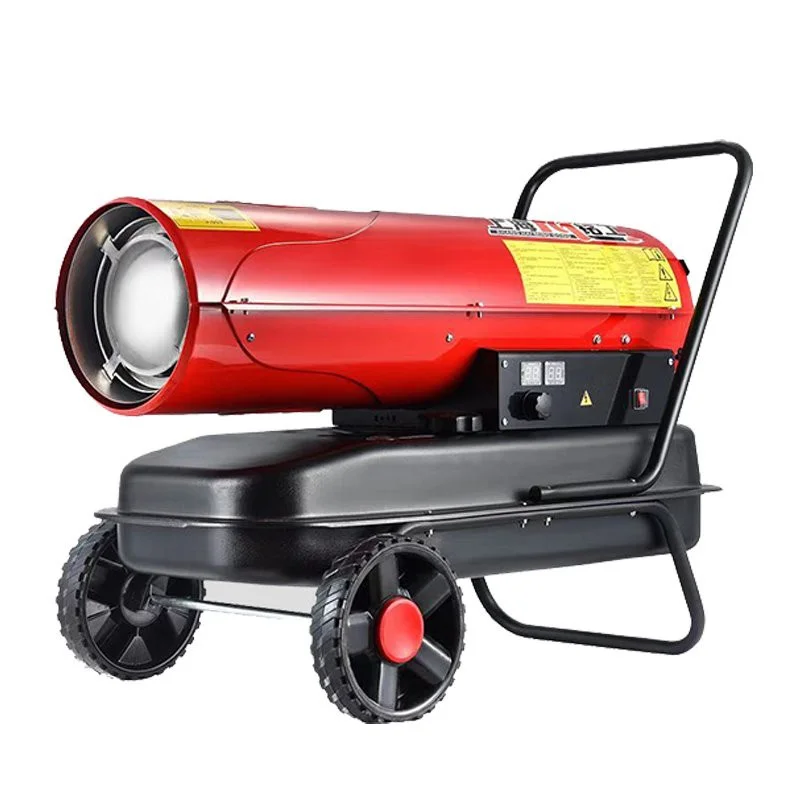
Industrial Diesel Space Heater
-
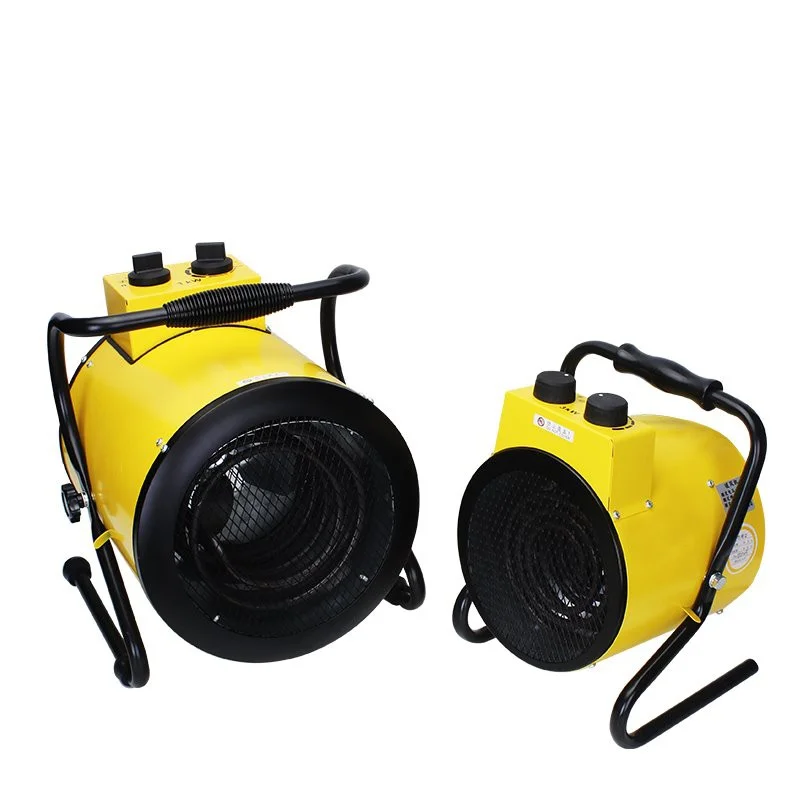
Electric Fan Heater for Bathrooms and Workshops
220V- Voltage: 220 / 380 V
- Power: 2000–9000 W
Why Buy From WILMALL
Sized to the space, not to the price list
Room volume, insulation and air change decide the heat output. We ask for those before recommending a kilowatt rating, because an undersized heater runs continuously and never catches up.
Electrical reality checked first
A heater is a large load. We confirm the supply — single or three phase, current available, cable and protection — before the order, not after the electrician arrives.
Safety limits stated plainly
Fuel-fired units need ventilation and are not for sleeping areas. Wet rooms need the right IP rating and zone. We say so on the quotation.
Where It Fits
Workshops and warehouses
Spot heating of a work area where heating the whole hall is impractical, usually with a three-phase electric or fuel-fired unit.
Livestock and poultry buildings
Maintaining temperature for young stock, where air quality and even distribution matter as much as output.
Bathrooms and wet rooms
Small electric heaters for intermittent use, where the IP rating and installation zone decide what is acceptable.
How to Specify
Start with the heat loss, not the label
Room volume alone is a rough guide. Insulation, glazing, air changes and the outdoor design temperature change the answer by a factor of two or more. A well-insulated workshop and a leaky shed of the same volume need very different output.
Electric or fuel
Electric heaters are clean, need no flue and are easy to control, but the supply is the limiting factor. Fuel-fired heaters deliver far more heat per unit of electrical load, at the cost of fuel handling, ventilation and, in some markets, restrictions on use indoors.
Ventilation is not optional
Any combustion heater produces water vapour and carbon monoxide. The space needs ventilation and, for continuous use, a flue or exhaust route. Units intended for open workshops are not suitable for bedrooms, small sealed rooms or spaces with sleeping people.
Wet rooms and IP rating
A bathroom is divided into zones with different IP requirements. A heater acceptable beside a washbasin may not be acceptable inside the shower zone. Check the zone before choosing the unit, and have the installation done by a qualified electrician.
Control and even distribution
A thermostat avoids cycling by hand; a fan-only setting moves air in summer. For livestock and large halls, placement matters more than output — a single unit in a corner leaves the far end cold.
Questions
How many kW do I need?
It depends on volume, insulation, air changes and the outdoor temperature, not on floor area alone. Send the room dimensions, the construction and the target temperature, and we will estimate the range before you choose.
Can a fuel heater be used indoors?
Only with adequate ventilation and, for continuous use, a proper exhaust route. Combustion produces carbon monoxide. Units for open workshops are not suitable for sealed rooms or sleeping areas.
Can I use an electric heater in a bathroom?
Only one rated for the zone where it will be installed, fitted by a qualified electrician. The IP requirement changes with distance from the bath or shower.
Can the heater run on a thermostat?
Yes, with a thermostat rated for the heater's current. For larger units a contactor is used, with the thermostat switching the coil rather than the full load.
What supply does a 15 kW heater need?
Three-phase, with cable and protection sized for the current. Confirm with your electrician before ordering; a single-phase socket will not carry it.
Does the heater also move air in summer?
Many fan heaters have a fan-only setting. If air movement matters year-round, check that the model offers it.
Tell us the room and the supply.
Volume, insulation, target temperature and the power available are enough for us to recommend a type and a range — and to say when a heater is the wrong answer.