Overview
In a hazardous area, the fan itself can become the ignition source. Three things have to be controlled: the motor, which must not produce sparks or hot surfaces in normal operation or in a fault; the enclosure and cable entries, which must contain an internal explosion and keep the flame from escaping; and the installation, because a correctly certified fan wired through a standard gland is no longer compliant.
Which fan is acceptable depends on the classification of the space, not on the fan alone. The zone says how often a flammable atmosphere is present, the gas group says how easily it ignites, and the temperature class says how hot a surface may get. All three appear on the certificate, and all three have to match the installation.
WILMALL supplies explosion-proof axial and duct fans and passes on the manufacturer's certificate copies for the models that hold them. We do not issue certificates in our own name, and we will tell you when a requested model or modification falls outside the certified configuration.
Products in This Range
-
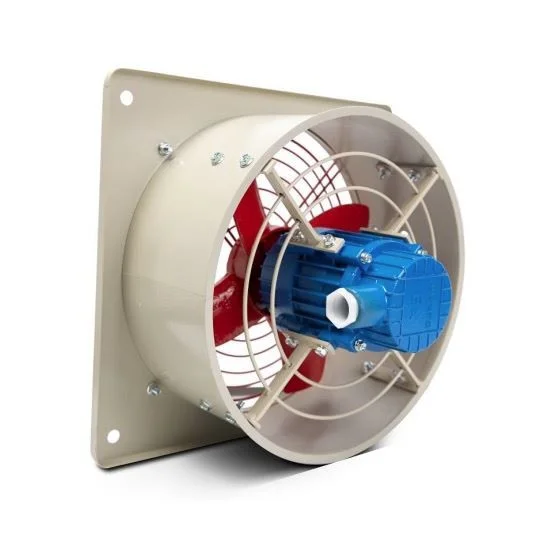
Explosion-Proof Exhaust Fan for Classified Areas
BFAG- Blade Diameter: 300 mm
- Voltage: 220380 V
-
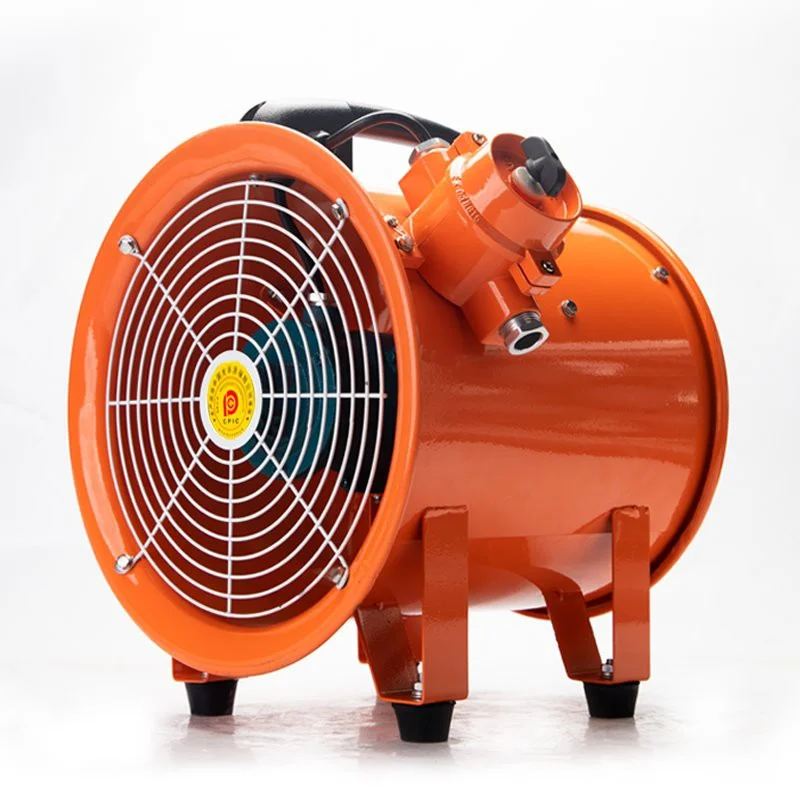
Portable Explosion-Proof Fan for Tank and Confined Space Work
200- Blade Diameter: 190–490 mm
- Frequency: 50/60 Hz
-
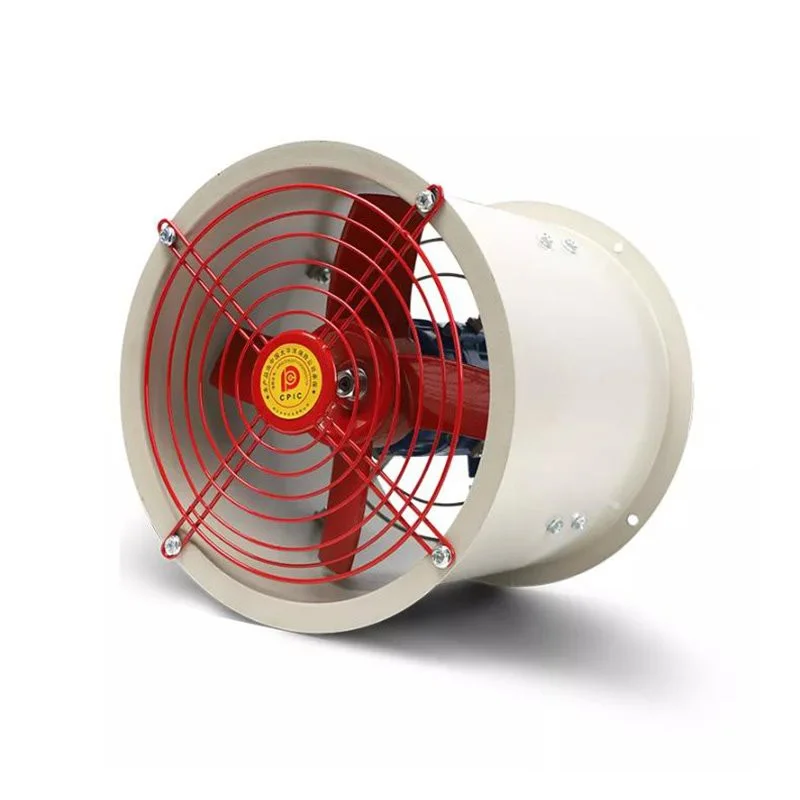
BT35-11 High Temperature Explosion-Proof Axial Fan
2.8- Power: 0.18–7.5 W
- Speed: 960–2900 rpm
-
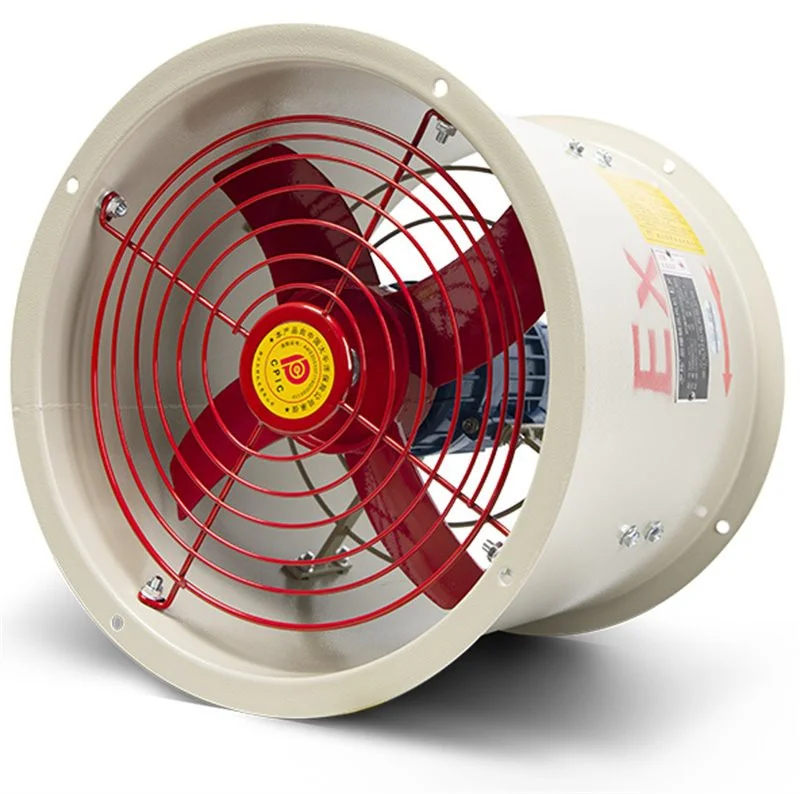
CBF Explosion-Proof Axial Flow Fan 220 V
CBF- Blade Diameter: 300–750 mm
- Voltage: 380220 / 380 V
-
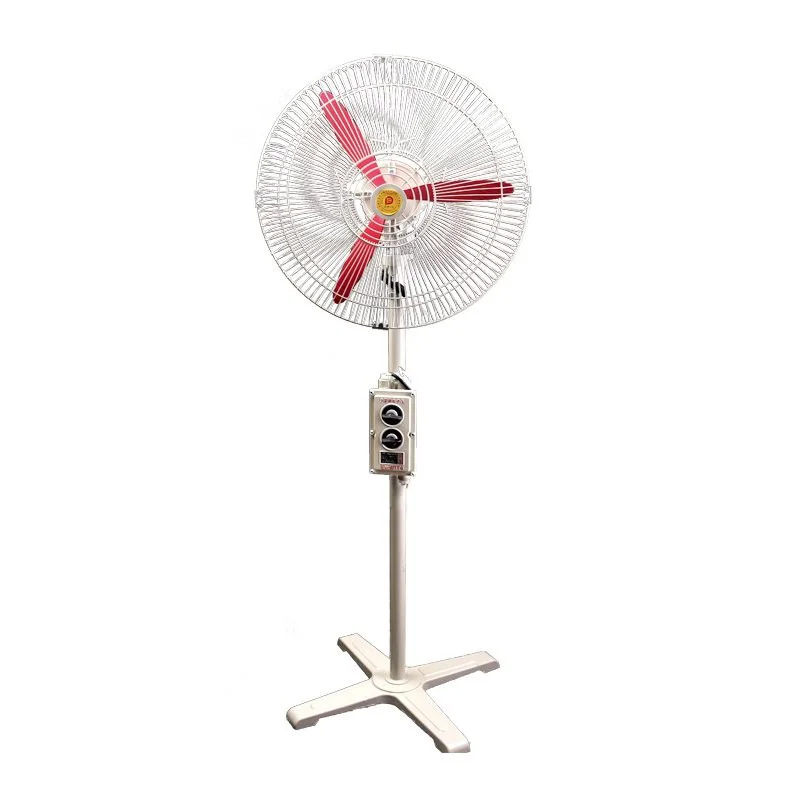
FB-500 / 600 / 750 Wall-Mount Explosion-Proof Fan
FB- Blade Diameter: 500–700 mm
- Voltage: 220380 V
Why Buy From WILMALL
Documents matched to the model, not the brochure
We send the certificate copy for the model you order and point out where the marking on the unit must match the document. If the model is not covered, we say so before the order.
Modifications are checked against the certificate
A different cable gland, a longer lead or a new label can move a unit outside its certified configuration. We flag that at quotation, not at installation.
One order across fixed, ducted and portable types
A maintenance team often needs all three. They can be supplied together with one set of documents and one point of contact.
Where It Fits
Chemical and petrochemical plants
Rooms and corridors where flammable vapour may be present, ventilated continuously or on demand.
Paint, solvent and coating areas
Spray booths and mixing rooms where solvent vapour accumulates and every ignition source has to be excluded.
Combustible dust handling
Milling, conveying and bagging areas where dust clouds can ignite; the fan must suit the dust as well as the gas.
Tank and confined-space entry
Temporary ventilation before entry and during hot work, using portable units with the correct rating.
How to Specify
1. Start from the zone
Zone 0, 1 and 2 describe how often a flammable atmosphere is present; Zone 20, 21 and 22 do the same for dust. A fan acceptable in Zone 2 is not automatically acceptable in Zone 1. The zone comes from the area classification drawing, not from a rule of thumb.
2. Match gas group and temperature class
The gas group (IIA, IIB, IIC) reflects how easily the gas ignites; the temperature class (T1–T6) limits the hottest surface. A unit marked for IIB is not a substitute for IIC. Both markings have to cover the atmosphere in the room.
3. Check that the certificate covers the model
Certificates list model designations. A visually identical fan with a different motor, impeller or voltage may sit outside the certificate. Compare the marking plate with the document before the unit is installed — this is where most non-compliance is found.
4. Installation decides compliance
Cable glands, earthing, cable type and the way the enclosure is closed all form part of the protection concept. A certified fan installed with a standard gland, or with the terminal box left loose, is no longer compliant. Installation should follow the manufacturer's instructions and local rules.
5. Plan inspection and spares
Hazardous-area equipment needs periodic inspection, and spares have to match the certified configuration. Bearings, capacitors and terminal parts sourced elsewhere can void the protection. Ask for the spare parts list with the order.
6. Know what the supplier can and cannot do
We supply fans with manufacturer documentation. We cannot re-certify a fan, change its marking, or declare a model compliant. If a project requires a specific scheme — ATEX, IECEx, or a local approval — tell us at inquiry stage so the available models can be checked first.
Questions
Do you supply ATEX-certified fans?
Some models are supplied against explosion-proof certificates issued to the manufacturer, and coverage depends on the model and the zone. Tell us the zone, gas group and temperature class, and we will confirm what documentation exists for the models that fit. We do not claim a certification we cannot evidence.
What documents come with the fan?
A certificate copy for the model, the marking details to compare against the nameplate, and the installation instructions. Test reports and declarations are added where the manufacturer issues them.
Can I use a standard fan in Zone 2?
No. Zone 2 still requires equipment suitable for the atmosphere. A standard fan introduces ignition risk through the motor, the wiring and hot surfaces.
Can the fan be customized?
Only within the certified configuration. A different cable entry, lead length or label can take the unit outside its certificate. If the change is essential, we will check whether a compliant option exists before quoting.
Portable or fixed installation?
Portable units suit tanks, pits and short maintenance work; fixed wall or duct units suit continuous ventilation of a room. Portable units still need the correct rating and a suitable cable and plug.
Who confirms the installation is compliant?
The party responsible for the site. We supply equipment and documents; the area classification, installation and final acceptance sit with your engineer or the authority having jurisdiction.
Tell us the zone before the model.
Send the area classification, the gas group and the temperature class together with the airflow you need. We will reply with the models that have documentation for that combination — or say that none does.